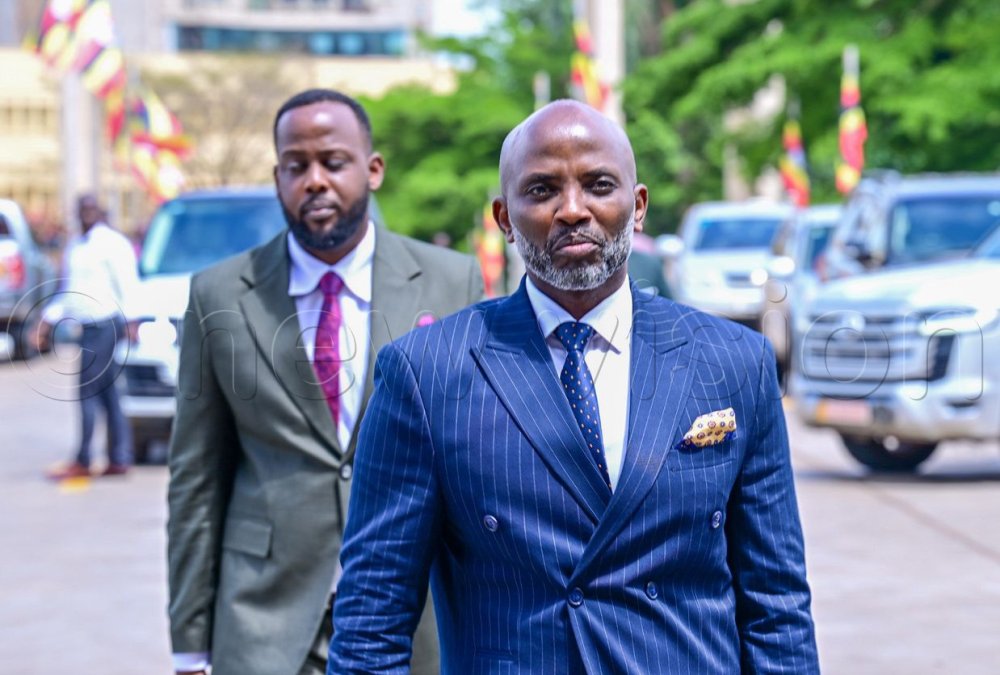
A heated debate over citizenship and national identity in Uganda has brought renewed attention to the personal story of education leader Dr. Lawrence Muganga, who recently spoke about his family’s refugee roots and the circumstances that led his parents to flee Rwanda in 1959.
The discussion emerged after concerns were raised during the vetting process for individuals nominated to serve in Uganda’s government. Dr. Muganga had been appointed to serve as State Minister in the Ministry of Internal Affairs, but questions surrounding his citizenship status triggered intense public and political scrutiny.
The controversy followed President Yoweri Museveni’s May 26, 2026 announcement of 82 appointments to various government positions. While many nominees passed through the approval process without major objections, Muganga’s nomination quickly became the subject of national debate.
A parliamentary committee reviewing the credentials of nominees reportedly questioned whether Muganga held multiple citizenships, including possible ties to Rwanda. The issue fueled discussions across political circles, media platforms, and social networks, with some Ugandans demanding greater clarity regarding his background.
As the debate intensified, attention shifted to Muganga’s 2018 book, You Can’t Make “Fish Climb Trees.” In the publication, he described the experiences of his parents, who fled Rwanda during the violence and discrimination that affected many Tutsi families in the late 1950s.
Reflecting on his family’s history, Muganga wrote: “I was born, raised and educated in Uganda, where my parents sought refuge after the ethnic violence that occurred in Rwanda in 1959. Because they were Tutsi, my parents felt persecuted in Rwanda, but they were welcomed and granted asylum by the Government of Uganda.”
The statement has since become a focal point in discussions about his identity. For some observers, it represents a powerful testimony of a refugee family that rebuilt its life through determination and opportunity. For others, it has raised questions about citizenship, belonging, and the legal requirements for public office.
Muganga’s life story is closely tied to the refugee experience. Growing up in Uganda, he faced financial hardships and often had to find creative ways to support his education. At one point, he reportedly raised and sold rabbits to pay school fees, demonstrating an entrepreneurial spirit from a young age.
His academic journey eventually led him to Makerere University, one of East Africa’s most respected institutions. After completing his studies, he worked in Rwanda before pursuing doctoral studies in Canada, where he earned a PhD and further expanded his international experience.
Over the years, Muganga built a reputation as an educator, author, and advocate for educational reform. His professional achievements have earned him recognition both within Uganda and beyond.
Despite his family’s origins, Muganga has consistently maintained that he is Ugandan. He argues that he was born in Seeta, Mukono District, and that Uganda is the only country he has ever called home.
He has also emphasized that his parents were buried in Uganda and that he expects to be buried there as well, underscoring what he sees as his deep connection to the country.
The debate surrounding his nomination highlights broader issues that continue to resonate across the Great Lakes region, where historical migrations, refugee movements, and questions of identity remain politically sensitive topics.
Whether viewed as a successful son of refugees who overcame adversity through education or as a controversial political nominee facing questions about citizenship, Lawrence Muganga’s story has once again drawn attention to a chapter of regional history that continues to shape lives decades later.