A cloud of uncertainty has settled over Uganda’s newly appointed government as concerns grow over the absence of First Lady Janet Museveni and unresolved citizenship questions involving several senior Cabinet appointees.
The developments come just days before President Yoweri Kaguta Museveni is expected to preside over the swearing-in ceremony for members of his new administration at State House in Entebbe.
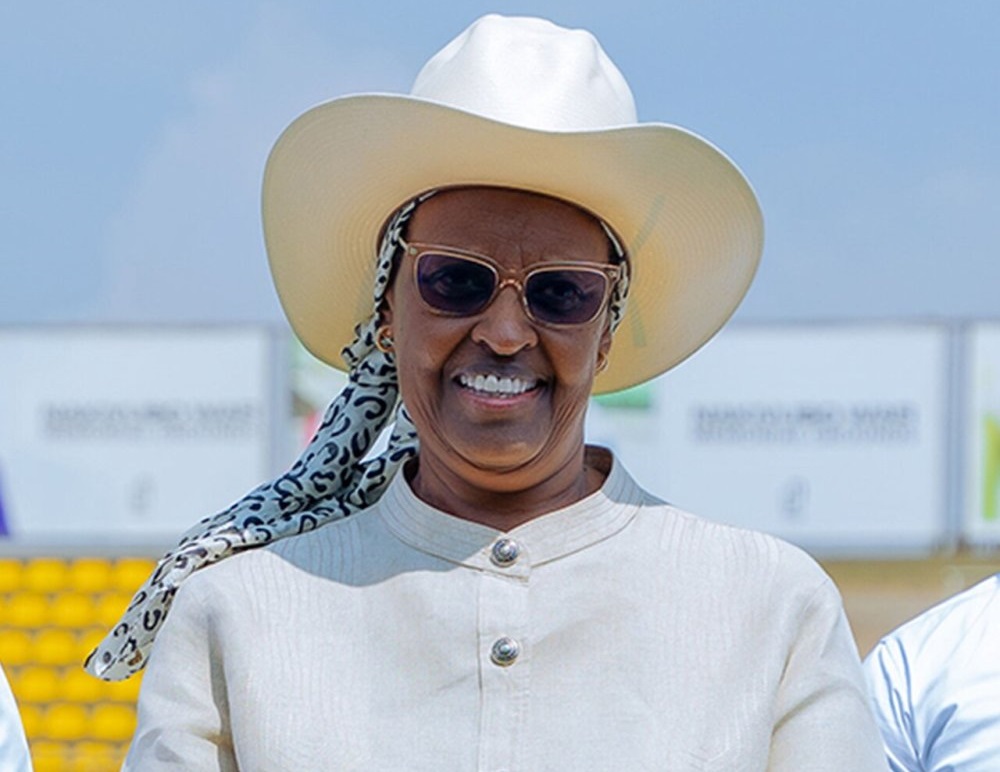
Among the most discussed issues is the continued absence of Janet Museveni, who was reappointed as Minister of Education and Sports. Her failure to appear before Parliament’s vetting committee has sparked widespread speculation about whether she will be able to take the oath of office alongside other Cabinet members.
Janet Museveni was initially scheduled to appear before lawmakers on June 1, 2026, for the mandatory approval process required before assuming ministerial duties. However, she did not attend the session. Parliamentary authorities later rescheduled the appearance for June 2, but she was again absent.
Members of Parliament subsequently maintained that her appointment could not be formally approved unless she appeared in person or participated through an approved virtual platform.
Her prolonged absence has attracted significant public attention because of her long-standing influence within Uganda’s political establishment. Over the years, she has remained one of the most recognizable and influential figures in government.
Local media reports have linked her absence to health concerns. Observers note that she has not appeared publicly since March 2026, fueling speculation about her condition.
Questions intensified after she missed President Museveni’s inauguration ceremony on May 12, 2026, as well as a family wedding involving one of her grandchildren, events where her presence would normally have been expected.
As Ugandans await clarity on her situation, attention has also shifted to a separate controversy involving citizenship requirements for several Cabinet appointees.
Government legal advisers are reportedly examining whether individuals who have initiated the process of renouncing foreign citizenship can legally assume ministerial office before receiving final confirmation from the foreign countries involved.
The debate affects several prominent figures, including State Minister-designate for Microfinance Shartsi Kutesa Musherure, State Minister-designate for Foreign Affairs Calvin Echodu, Foreign Affairs Minister-designate Adonia Ayebare, and State Minister-designate for Internal Affairs Dr. Lawrence Muganga.
According to sources familiar with the matter, none of the four had received invitations to attend the swearing-in ceremony as of Sunday afternoon.
Reports indicate that Musherure, Echodu, and Ayebare previously held both Ugandan and American citizenship, while Dr. Muganga was associated with Ugandan, Rwandan, and Canadian citizenship.
The issue has generated concern within government institutions, particularly among officials responsible for public service administration, who fear that swearing in candidates before their citizenship status is fully resolved could expose the state to future legal challenges.
The controversy gained further momentum during parliamentary scrutiny of ministerial nominees. Deputy Speaker Thomas Tayebwa disclosed that authorities had identified three candidates with dual citizenship and another with more than two citizenships.
Parliamentary investigations reportedly confirmed that steps had already been taken by some nominees to renounce their foreign citizenship before the approval process began.
However, legal uncertainty remains over the precise moment when the renunciation of foreign citizenship becomes fully effective under Ugandan law.
The case of Dr. Lawrence Muganga has emerged as one of the most closely watched. Questions surrounding his citizenship status reportedly contributed to delays in the approval of his nomination.
Government sources say the matter has now been referred to President Museveni for further consideration.
By Sunday evening, neither State House nor the Ministry of Public Service had issued a definitive public statement on the status of the affected nominees or on Janet Museveni’s participation in the swearing-in ceremony.
Political analysts say that if legal questions remain unresolved before the ceremony, Uganda could witness an unusual Cabinet inauguration in which some ministers immediately assume office while others wait for final legal clearance.
The combination of Janet Museveni’s unexplained absence and the citizenship disputes involving several senior appointees has transformed what would ordinarily be a routine government transition into one of Uganda’s most closely watched political developments of 2026.