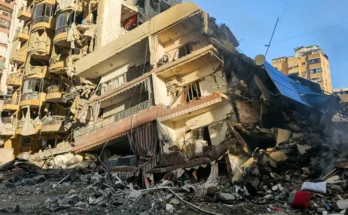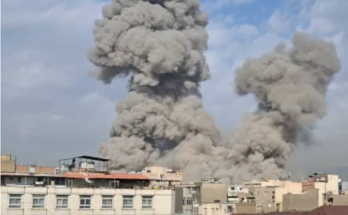
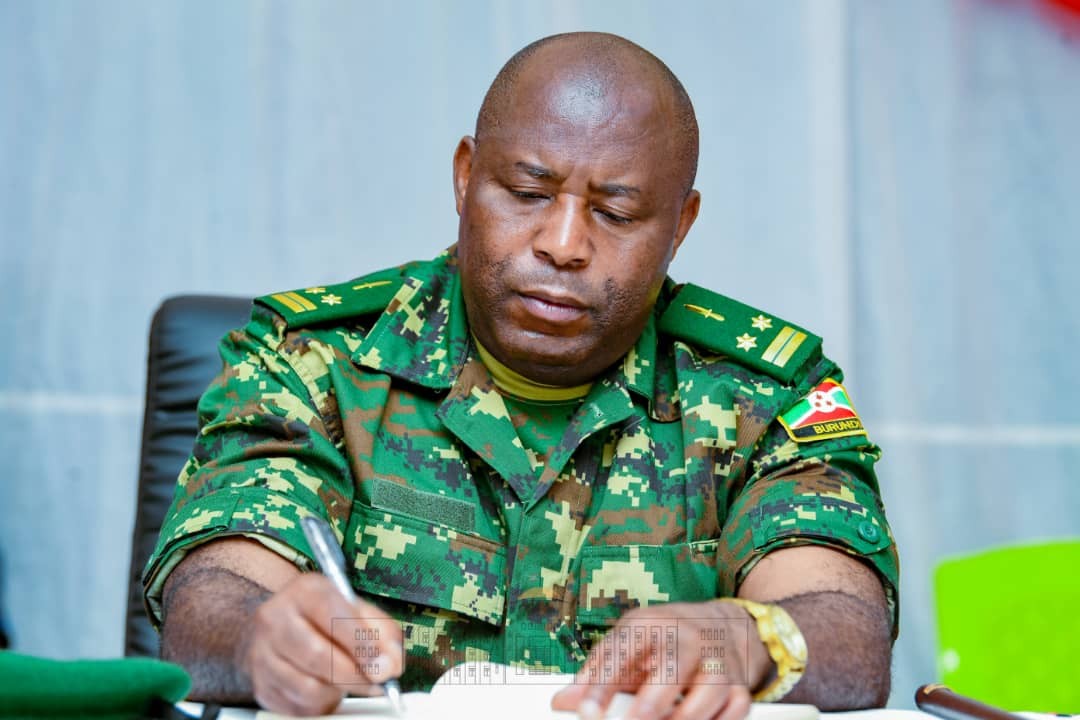
The capture of Uvira by the AFC/M23 coalition has hit Burundi like a shockwave through the country. This was more than a military defeat. It shattered national security, damaged Burundi’s military prestige, and triggered an unprecedented economic crisis. President Évariste Ndayishimiye’s government now faces alarming numbers, and war rhetoric is increasingly replacing diplomacy.
In the weeks before the battle, President Ndayishimiye and his military advisors were confident they could defeat AFC/M23 and push them back from South Kivu. This confidence was built on heavy weaponry, including long-range guns, combat drones, and modern arms deployed by Burundi’s army. The goal was not just to assist the Congolese army but also to restore Burundi’s honor after months of controversial operations in eastern DRC.
Bujumbura’s leadership wanted to assert its influence in regional security, boosting Ndayishimiye’s domestic and international reputation. But AFC/M23 fighters, well-prepared and determined, pushed back Burundian troops, FARDC, Wazalendo, and FDLR forces faster than expected. In just a few days, fighting reached the outskirts of Uvira, a city critical to Burundi’s economy and security.
Uvira is no ordinary city. Covering over 200 square kilometers and home to roughly 700,000 people along Lake Tanganyika, it is Burundi’s key economic gateway to South Kivu. The Kavimvira border crossing connected Burundi and the DRC for daily trade of food, fish, and agricultural goods. Its closure disrupted commerce and placed the fragile Burundian economy under extreme pressure.
Faustin Ndikumana, director of PARCEM, said more than 60% of Burundi’s exports to foreign markets pass through the DRC, primarily via Kavimvira. In 2024, Burundi exported 135,300 tons of goods abroad, including 69,400 tons to the DRC. Closing the border immediately affected this trade and worsened the country’s foreign exchange crisis.
The border closure also triggered fuel shortages. Many Burundians relied on South Kivu for cheaper gasoline and diesel. After the shutdown, this option disappeared. Journalist Esdras Ndikumana of RFI reported that the price of a 20-liter jerrycan of fuel rose from 150,000 Burundian francs to 400,000, while the U.S. dollar reached 6,500 Burundian francs. These economic shocks fueled public anxiety and contributed to the government’s shift toward war rhetoric.
Burundi’s government escalated its language, signaling that it would protect Bujumbura at all costs. At the United Nations, Ambassador Zéphyrin Maniratanga accused Rwanda of violating UN Security Council Resolution 2773, which calls for the withdrawal of Rwandan forces from the DRC. He also demanded sanctions against Rwanda, warning that continued cross-border attacks could force Burundi into open war.
Maniratanga said, “Ceasefires have limits. If these attacks continue, it will be extremely difficult to avoid an open war between our two countries.” These statements came after Burundian forces suffered defeats in Kamanyola, Lubarika, and Luvungi and faced accusations of atrocities against civilians, especially the Banyamulenge community in Minembwe.
Rwanda has denied all accusations, insisting that it supports diplomatic solutions rather than dragging the region into a wider conflict. Meanwhile, AFC/M23 emphasized that it seeks peaceful coexistence with Burundi, signaling that borders and trade could reopen if political will exists.
The capture of Uvira revealed that Burundi’s losses go far beyond the military realm. It represents an economic collapse, loss of prestige, and a political strategy in crisis. The figures President Ndayishimiye relied upon have turned into alarming deficits, making war rhetoric a way to divert attention from internal pressures.
The danger now is that this rhetoric could push the Great Lakes region toward open conflict, at a time when dialogue, de-escalation, and economic recovery are more urgently needed than ever.